

When we think about wildlife dangers for our pets here in Michigan, our minds often go to the more visible threats: coyotes in the distance, the occasional skunk encounter, or even stinging insects like wasps. While these dangers are real, one of the most significant risks to our pets’ health is far smaller and often overlooked. Ticks, though tiny, pose a serious threat because many species found in Michigan can carry diseases that lead to severe illness and in some cases, can be fatal if left untreated.
With May marking Lyme Disease Awareness Month, and many of us spending more time outdoors with our pets, here’s a quick look at what every pet owner should know about ticks and what they can do to keep their pet safe and healthy.
Common Ticks in Michigan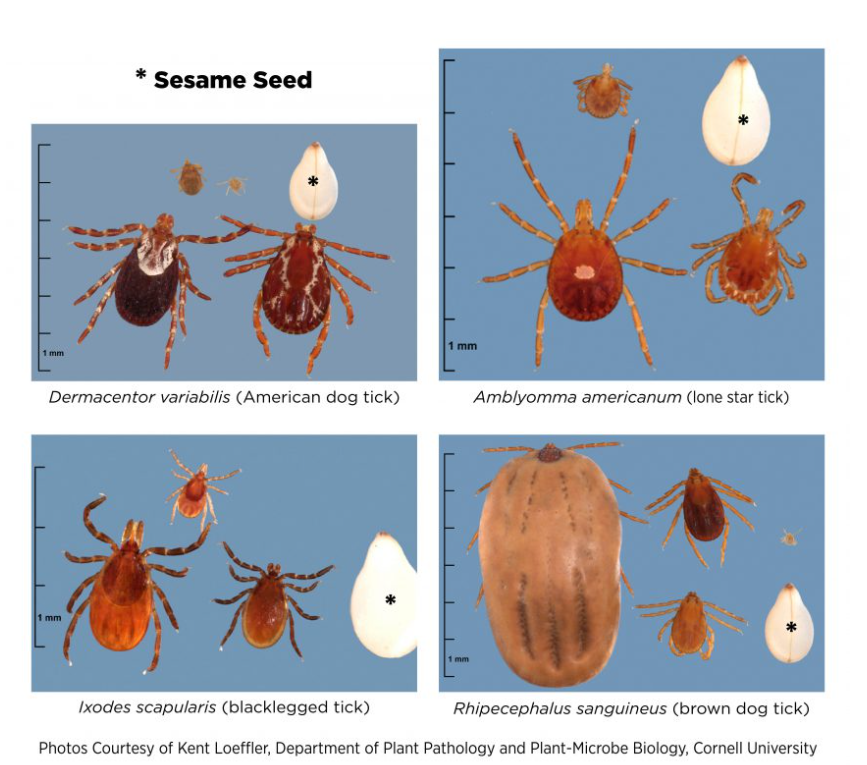
According to Michigan.gov there are over 20 species of ticks in Michigan; the five most common are listed below.
- American Dog Tick: typically active from May through November.
- Black-Legged Tick (Deer Tick): Once rare, this tick is now widespread in Michigan and can transmit Lyme disease as well as other zoonotic diseases.
- Lone Star Tick: highly active and aggressive.
- Woodchuck Tick: one of the most common ticks seen on pets.
- Brown Dog Tick: Unique by it ability to survive indoors, making it a concern in kennels, shelters, and breeding facilities.
Tick-Borne Diseases to Know
These ticks can transmit several serious diseases, including anaplasmosis, ehrlichiosis, babesiosis, and Lyme disease. Treatments can range anywhere from antibiotics and supportive care to blood transfusions. For more information on these diseases, visit this article by our very own Dr. DeHondt.
Common symptoms of these diseases may include:
lethargy, fever, decreased appetite, joint pain or lameness, weight loss, swollen lymph nodes, and in more advanced cases, blood disorders or organ complications and even death.
The good news is that early detection and treatment make a significant difference, and many of these conditions are treatable when caught early.
Protecting Your Pet
Ticks are not just a seasonal nuisance, they are an increasing concern in Michigan. According to CBS News, as of April 21 2026, more than 200 cases of Lyme disease have already been confirmed in Michigan. Prevention is the most effective way to keep your pet safe. We offer several options and are happy to help you choose what works best for your pet’s lifestyle:
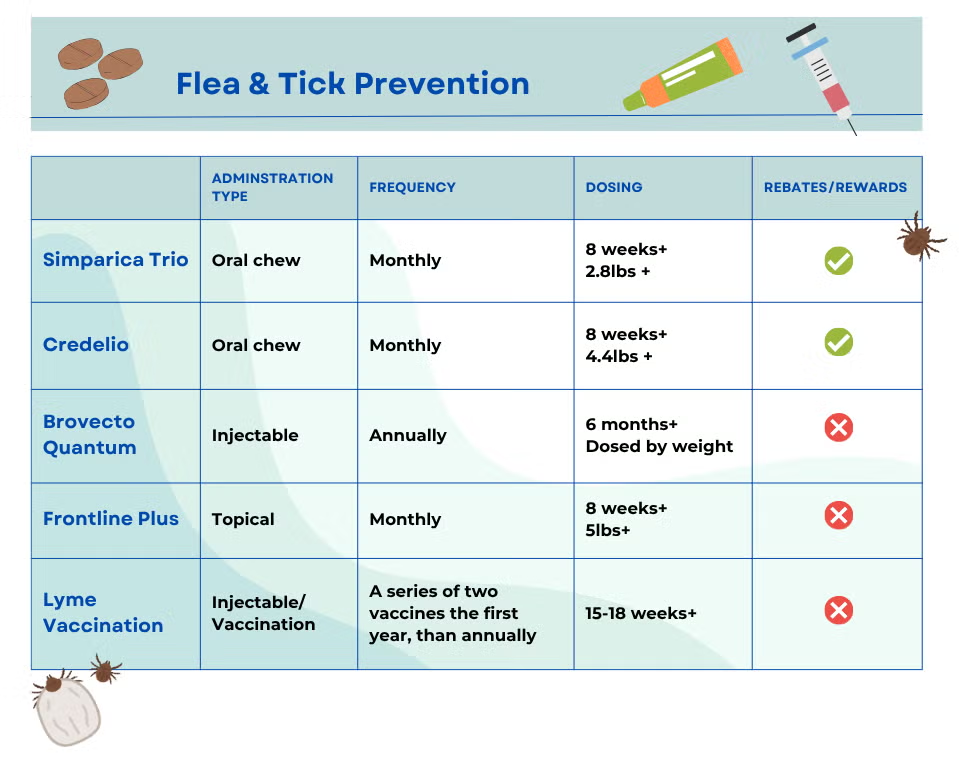
Please note: Oral and injectable prevention is not recommended for dogs with a history of seizures or neurological conditions.
What If You Find a Tick?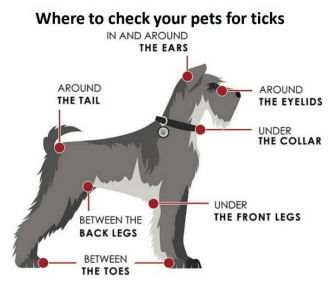
Even with prevention, routine tick checks are an important habit. If you discover a tick on your pet:
- Use tweezers or a tick removal tool to gently remove the entire tick, including the head
- If you’re unsure or uncomfortable, give us a call, we can coordinate a time for you to bring them in and have the tick professionally removed
- Place the tick in a sealed container or bag and bring it to us if you’d like it tested
- We may recommend follow-up lab work about 6 weeks after exposure
We also recommend annual heartworm testing, which includes screening for several tick-borne diseases, even if you haven’t seen a tick.

On a more upbeat note, we wanted to share a recent highlight here at DePorre! We had the pleasure of hosting a Girls in STEM (Science, Technology, Engineering, Mathematics) group from Birmingham middle schools for a hands-on visit, where they stepped right into the world of veterinary medicine. Their visit included identifying ticks, viewing radiographs, examining cells under a microscope, practicing suturing on stuffed animals, and learning what goes into a dog’s physical exam.

It was a wonderful visit and a great chance to show these students what veterinary medicine looks like day to day. We always enjoy sharing our work with curious young minds and giving them a glimpse into one of the many paths within the STEM world, maybe even inspiring a few future veterinarians along the way.
We’re Here to Help
As we head into the warmer months, it’s a good time to stay mindful of tick prevention and the small steps that can make a big difference in your pet’s health. At the same time, moments like our recent STEM visit are a great reminder of how much there is to learn, share, and be excited about when it comes to caring for animals.
As always, if you have any questions or concerns, we’re here to help. Thanks for reading, we appreciate being part of your pet’s care and our local community!
Schedule an Appointment:
Request Medication & Preventative Refills in Hospital:

Click here for our online pharmacy May Promotions