
Cat Allergies in Bloomfield Hills

What are the most common signs and symptoms of allergies in cats?
The most common signs and symptoms we see in cats with allergies are typically overgrooming. We always think of itching and scratching, which you definitely can see, but most of the time, the way cats show that they're itchy is by starting to overgroom. Sometimes what people see at home, even if they don't notice that their cat is overgrooming and licking a lot, are areas of hair loss or spots where they've licked almost down to the skin. The skin can be irritated, and they may be missing hair there, and that might be a new change. I would say that's the big thing we see in cats.
Allergies can also show up as ear infections, so if they are really scratching at their ears or you notice debris in their ears, those would be signs that it might be time to get your cat checked out for some underlying allergies.
What causes allergies in cats?
The things that cause allergies in cats are similar to what causes allergies in dogs too. We definitely see more of what we call flea allergy dermatitis, especially in cats that are going outside and having more exposure to fleas. It can really just take one or two flea bites to trigger a big allergic response. If there's an underlying flea issue, or even not a flea infestation but just exposure to fleas, that can show up as a big allergic response in cats.
We definitely do see more food hypersensitivity or food allergies, and then obviously some of the normal environmental things as well, although I do think that's less likely compared to dogs. They can be allergic to indoor and outdoor things, dust, pollens, and molds, just like we can.
What are environmental allergies in cats?
Environmental allergies are going to be things that are in your environment. They are the things around you that you might have exposure to just by breathing the air around you. It doesn't even mean it has to be direct contact; it could just be stuff that's in the air.
From an environmental perspective, we think of indoor things as molds and dusts, and usually those are going to be worse in the winter months as homes are closed up, windows are closed, and furnaces are running. The outdoor things we see are pollen, grasses, and trees. Those are all things that we see more on an outdoor basis but can definitely still be in the air.
The other thing that's considered under environmental allergies is insects, especially fleas. Dogs can bring fleas into the house, so even if you have an indoor-only cat, if you have a dog coming in and out, especially if your dog is not on good flea prevention, that definitely can expose your cat to fleas. Those are the big environmental and parasite-related things that we worry about.
What are food allergies in cats?
Food allergies are typically more of a hypersensitivity to a protein. A lot of times, that's something they are being exposed to by ingesting their food. The symptoms can sometimes show up the same or differently, so it's really about trying to get to the bottom of it and maybe doing some diet trials to narrow down the cause.
How are cat allergies treated?
Cat allergies are typically treated in two parts. The first part is always managing the symptoms. If we have an ear infection, a skin infection, or a cat that's just really uncomfortable because they're very itchy, we want to do our best to manage those symptoms and get them feeling better.
The second part, which is just as important, is trying to really get to the bottom of what's causing the allergies. Because we do see more food issues in cats, a lot of times it might mean switching diets and doing a novel protein or a protein source they have not had before. Definitely doing a single-protein food rather than a food that has three or four different protein sources can help. A lot of the time, it's a process of elimination and trying different things to really get to that answer.
The other thing is making sure your cat is on a good flea preventative to help rule that out. It doesn't have to be a high flea burden to cause a problem. Sometimes you might not even see a flea, but if we have a cat showing symptoms, we want to make sure we're covering our bases with a good flea preventative as well.
Can cat allergies be cured?
Just like any allergy in people, dogs, or cats, I'd say it's a lifelong management issue. I do think it can be considered cured if you can get to the bottom of it and do what you can as a preventative. For instance, with a flea allergy, if we treat the fleas and keep a cat on flea prevention and never have to worry about fleas being the problem, you've kind of cured the cat of flea allergy dermatitis. If it's more of an environmental thing that's going to come up every season, that's not necessarily something you're going to be able to cure, but you will hopefully be able to manage it in a better way to keep your cat comfortable during those things that you can't really control happening inside or outside.
What dietary options are considered for cats with allergies?
The focus for dietary management is typically a single protein, a protein source they haven't had before. If they've always been eating a chicken-based food or fish-based food, we might go to something a little more creative to give them something they haven't had before. We do also have the option of prescription diets, including hydrolyzed protein, as another food option to consider.
If you're looking for veterinary care you can trust, call us at (248) 609-1625 or email [email protected]. We're here to keep your pet healthy, happy, and thriving!
Cat Dermatology in Bloomfield Hills
When should I be concerned about a tumor growth or lump on my cat?
If you notice any type of tumor growth or lump on a cat, I'm always a little bit concerned. When I was in vet school, I vividly remember the oncologist telling us that any type of skin lesion on a cat that is a growth should be checked out. Dogs typically get tons of different benign and non-worrisome things, but generally, anything on a cat needs to be evaluated further.
A lot of times, if it's something that, even by how it looks, we might just be going right to a surgical removal recommendation. Skin lumps on cats are really, really rare. When we do see it, it is something that puts a little bit more of a red flag up for me that we need to be a little bit more aggressive, just to make sure that this is going to check out okay.
Why is my cat itching, scratching, or overgrooming?
If you're noticing your cat is itching or scratching excessively, or another way that a lot of cats show when they're itchy, overgrooming or licking, the most common cause is still probably allergies. We're actually going to be doing a separate allergy video just focused on that because it's a little bit more involved of a topic.
If allergies aren't one of the big things, the other thing that we see a lot in cats is that we do see it manifest as more of a behavioral issue. A lot of cats will overgroom and be itchy and show those same symptoms because of a stress response.
The third thing, which we always talk a little bit about, is a flea issue. Some type of parasite, what we call an ectoparasite, on the skin. Fleas and other types of fungal things, like ringworm, can also cause that. You can actually even see what's specific in cats, called flea allergy dermatitis. Flea allergy dermatitis is actually where even just one flea bite will trigger an allergic response to that flea. These cats are really, really, really itchy. Typically, with flea allergy dermatitis, the distribution on their body is the back half. You'll notice they just keep licking and bothering their back end. Sometimes you'll actually see a distinguished hair change in their coat, even on what we call the back half of their body. Just another thing that can potentially cause that. Obviously, the treatments would change pretty significantly if you're treating a flea issue versus treating more of an underlying allergy.
How is feline dermatitis diagnosed?
Most of the time, feline dermatitis is diagnosed by a good physical exam by your veterinarian. What we're looking at is the hair coat on the area of the skin, the skin itself. Is it red? Is it irritated? Is it oozy? Is it dry and flaky? That's kind of what we're looking at, and the underlying cause that would cause those changes to the skin typically will present differently in how it looks. A really, really good exam is where you definitely want to start.
Depending on what the veterinarian finds, we might talk about ringworm cultures. We might talk about skin cultures. We might talk about skin scrapings or skin cytologies. There's kind of further testing that might be involved, but that first step is just a really good physical exam.
Diagnosing Cat Allergies
Many pets are allergic to the same things we are, but determining the exact allergen is tricky. We can perform:
- Skin cytology (skin cell analysis)
- Fungal culture (testing for presence of a fungus)
- Food allergy testing through an elimination diet
- Blood or serum testing
Unfortunately, allergies often leave your pet vulnerable to skin infections, due to self-induced skin damage. Commonly, these infections are caused by bacteria or a fungus, and treatment for these will accompany your pet's allergy management plan.
Signs Your Cat May Have an Allergy
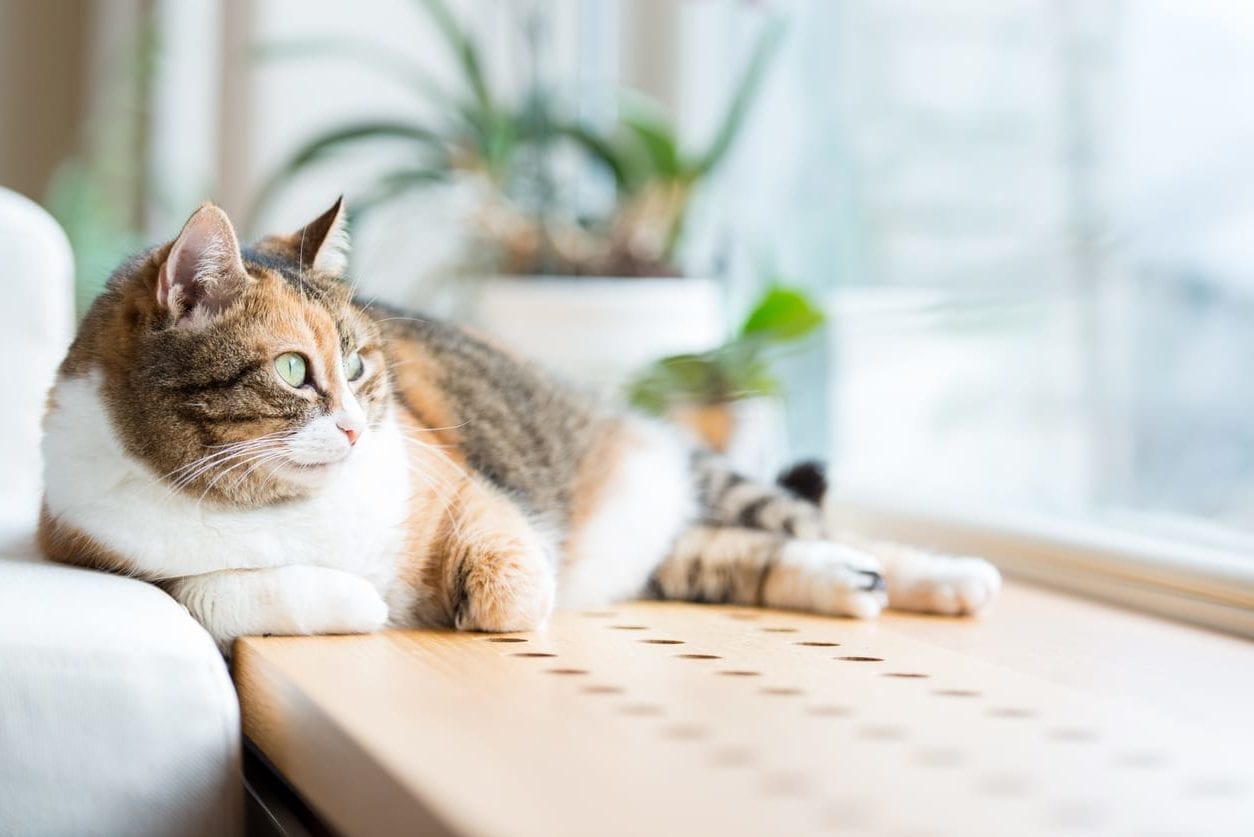
Your dog or cat may have an allergy if they exhibit the following symptoms:
- Dry, flaky skin
- Red, irritated skin
- Hair loss
- Biting/chewing at paws
- Excessive scratching
Common Pet Allergies
Your pet could be allergic to any of the following:
- Pollens
- Trees and grasses
- Mold spores
- Dust or dust mites
- Certain materials (i.e. plastic, rubber, cotton)
- Cigarette smoke
- Perfumes
- Detergents
- Food ingredients
- And more
Dog and Cat Allergy Treatment Plans
Pet dermatology treatments, unfortunately, do not cure allergies, but they are often very effective at controlling them. They both ease your pet's pain and discomfort and can help minimize future allergic reactions. Common dog and cat allergy treatments include:
- Immunotherapy/Desensitization based on diagnostic testing
- Daily allergy medication
- Monthly Injectable immune therapy
- Antihistamines
- Antibiotics (for infections)
- Medicated shampoos
- Topical creams
- Prescription diets
If you think your pet may be suffering from allergies, schedule an appointment with our veterinarians!
How can I protect my cat from fleas and ticks?
We do see a lot of issues with fleas and ticks, especially in cats. I worry about fleas, especially in those cats that are going inside and outside, and not as much even in cats that are just going out in your yard. I have a lot of clients who maybe have a nice porch where their cat goes and sits, or sometimes there are these different tent-type things that cats will go spend some time in in the yard. They're not out roaming the neighborhood, which is great, but they're still a concern for fleas and ticks as well. That is an easy way for fleas to get on your cat, and then they can bring them inside and expose your other animals as well.
The best way to protect them is if your cat is going to be outside at all, I would recommend them being on a good flea and tick preventative. My preference is Revolution. I like that it also protects them against ear mites and heartworm disease, and some of the other things that they can have exposure to while being outside. It also does great for fleas and ticks. Obviously, there are other over-the-counter products as well. Frontline Plus is also a great option that offers good protection for fleas and ticks. It doesn't do some of those other things I mentioned, but if you're really just focused on fleas and ticks, Frontline Plus is also a great product.
What should I do if my cat has a hot spot?
If you notice a hot spot on your cat, and what we call a hot spot, typically is what we call deep moist dermatitis, meaning it's not just a little bit irritated. These are typically more angry. They're really red. They're usually kind of oozy or crusty. I would expect your cat to be pretty itchy with this, which usually is going to show up as them really wanting to lick and lick and lick this area. If you notice that, you definitely need to come in for a good exam. Most of those cats are going to need, for sure, an antibiotic and maybe additional medication based on how the wound itself looks. Then the conversation is about what the underlying cause would be. Definitely want to recommend a good exam with the veterinarian to kind of get that further evaluated.
Questions
If you're looking for veterinary care you can trust, call us at (248) 609-1625 or email [email protected]. We're here to keep your pet healthy, happy, and thriving!