
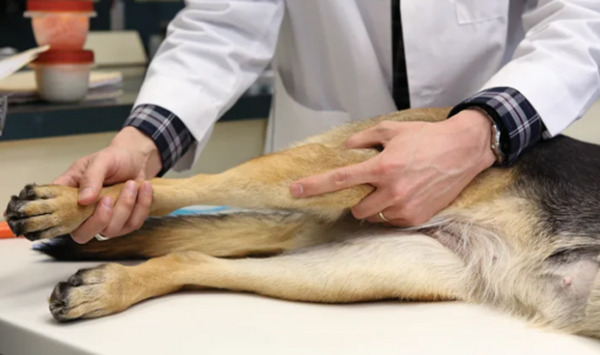
 If your dog is limping, favoring a back leg, or has been diagnosed with a torn cranial cruciate ligament (CCL), DePorre Veterinary Hospital offers TPLO (Tibial Plateau Leveling Osteotomy) surgery right here in Bloomfield Hills. Dr. Thomas DeHondt performs this advanced orthopedic procedure in our newly renovated Surgical, Dental and Feline Center, giving dogs throughout Bloomfield Hills, West Bloomfield, Bloomfield Township, Birmingham, Franklin, Royal Oak, and surrounding communities access to advanced knee surgery close to home.
A cranial cruciate ligament injury is one of the most common orthopedic problems seen in dogs. These injuries can sometimes happen suddenly, but in many dogs, the ligament gradually becomes weaker over time before eventually failing. Understanding what causes CCL injuries, what signs to watch for, and how TPLO surgery works can help you make an informed decision about your dog's care.
Understanding Cranial Cruciate Ligament Injuries in Dogs
The cranial cruciate ligament is an important structure inside your dog's knee. It helps stabilize the knee by keeping the femur, or thigh bone, and tibia, or shin bone, in the proper position relative to each other.
The cranial cruciate ligament in dogs is similar to the anterior cruciate ligament (ACL) in people. There is an important difference, however, in how these injuries typically develop.
Dr. Thomas DeHondt, one of the veterinary surgeons at DePorre Veterinary Hospital, explains that while dogs can experience an acute cruciate injury, most CCL injuries are more chronic in nature. The ligament can slowly degrade over time until it is no longer able to do its job effectively. This eventually leads to instability, lameness, and discomfort.
What Makes Some Dogs More Prone to CCL Injuries?
There is not always one specific cause of a cranial cruciate ligament injury. Certain characteristics can make some dogs more likely to develop these injuries.
Breed
CCL injuries are more common in larger dogs. Some of the breeds Dr. DeHondt commonly sees with cruciate ligament injuries include Labrador Retrievers, German Shepherds, and Rottweilers.
Smaller dogs can certainly develop these injuries as well, but they occur more frequently in larger breeds.
Conformation and Gait
A dog's conformation can also play a role. Conformation refers to the dog's physical structure, including their stance and the way they walk.
In general, dogs stand and walk with their knees in a slightly flexed position. Some dogs have a straighter-legged stance and do not have as much flexion in their knees while standing or walking. According to Dr. DeHondt, dogs with this type of conformation can be more prone to cruciate ligament injuries.
Weight
A dog's weight is another important factor. Overweight dogs are at a significantly higher risk of developing cruciate ligament injuries than dogs that maintain a healthy weight.
Keeping your dog at a healthy weight is an important part of protecting their joints and overall orthopedic health.
Signs of a Cranial Cruciate Ligament Injury
CCL injuries do not always look the same in every dog. Some dogs develop gradually worsening lameness, while others may suddenly become much more painful when the ligament completely tears.
Some common signs of a cranial cruciate ligament injury include:
- Progressive limping or lameness in a back leg
- Suddenly holding up a back leg
- Difficulty putting weight on the affected leg
- Becoming three-legged lame after a complete tear
- Stiffness, particularly after resting
- Difficulty jumping into the car or onto furniture
- Difficulty going up or down stairs
- Swelling around the knee
- A clicking or popping sound when walking
- Sitting with one back leg extended out to the side
One of the characteristic things that owners may notice is a change in the way their dog sits. A dog with a painful knee may keep the affected leg extended out to the side rather than tucking it underneath their body. Fully flexing the knee can be uncomfortable, so the dog naturally avoids that position.
If you notice your dog becoming progressively lame or having trouble using one of their back legs, it is a good idea to have them evaluated by your veterinarian.
Watch Dr. DeHondt Explain CCL Injuries and TPLO Surgery
Dr. Thomas DeHondt discusses cranial cruciate ligament injuries in dogs, including risk factors, symptoms, diagnosis, treatment options, TPLO surgery, recovery, arthritis, and the possibility of injury to the opposite knee.
Read the Full Video Transcript
About Cranial Cruciate Ligament Injuries
Hi, I'm Dr. DeHondt. I'm one of the veterinary surgeons here at DePorre Veterinary Hospital. I want to talk a little bit today about some orthopedic injuries that dogs have.
One of the most common orthopedic injuries that we see in dogs is injuries related to their cranial cruciate ligament, which is a similar structure in people to the anterior cruciate ligament, or ACL.
There are definitely some predisposing factors that make certain dogs more prone to cruciate ligament injuries.
Breed and CCL Injuries
One of those factors is breed. Generally, this is an injury that happens more frequently with larger breeds, and many of our larger breeds are more predisposed to it. A couple of the ones that we see most commonly are Labradors, German Shepherds, and Rottweilers.
This type of injury can happen with smaller dogs as well, but it is more common in larger dogs overall.
Conformation and Gait
Another factor that can make dogs predisposed to this type of injury is their conformation. What I mean by that is their stance and their gait, or how they walk.
As a general rule, dogs tend to walk with their knees bent and in a slightly flexed position. But some dogs will walk with more of a straight-legged stance, and they don't have as much flexion in their knee when they are either standing or walking.
Dogs that have that type of conformation are more prone to cruciate injuries as well.
Weight and CCL Injuries
The third predisposing factor for dogs is being overweight. Dogs that are overweight are at a significantly higher risk of developing cruciate injuries than dogs that are at a normal, healthy weight.
How CCL Injuries Develop
Cranial cruciate ligament injuries in dogs are a little bit different than what people typically experience.
For most people, when they have an ACL injury, it is more of an acute problem where they abruptly have a tear in that ligament. That leads to an acute onset of pain and an inability to use the knee properly.
In dogs, that can happen as well where there can be acute injuries, but in most cases, it is more of a chronic injury. The cranial cruciate ligament slowly degrades over time until it gets to a point where it is no longer effective at doing its job, and it leads to lameness and discomfort for the dog.
Signs of a CCL Injury
The signs that we typically see with dogs that have these types of injuries can be a sort of progressive lameness, where they are getting more and more lame as time goes on.
If the ligament is completely torn, in some cases they may even start to become three-legged lame where they are not really putting any weight on that injured leg.
They also will often sit in a characteristic way where they keep that knee extended out when they are sitting because it hurts them to fully flex it and put it underneath them.
Diagnosing a Cranial Cruciate Ligament Injury
In order to diagnose the cruciate injury, typically the first step is to do a physical exam and take X-rays to look for signs of the injury.
On the physical exam, the biggest thing that we usually can see is that there is instability in the knee.
The cranial cruciate ligament should generally hold the lower bone, which is the tibia, and the upper bone, which is the femur, together so that they can't move independently.
What Is Cranial Drawer Movement?
When there is a torn cruciate ligament, we can start to see what is called cranial drawer movement. This is where the lower bone, the tibia, can slide forward and backward sort of like a drawer relative to the femur.
We can detect this abnormal movement during a physical examination.
Why Are X-Rays Used?
On X-rays, we can't actually see the ligaments because they don't show up on X-rays. But we can usually see characteristic signs of this injury, mainly swelling in the joint and the development of arthritis in the structures around the knee as well.
Treatment Options for CCL Injuries
After we've diagnosed the injury, there are a couple of treatment options.
There is really only one treatment option that is going to definitively fix it, and this is surgery.
Some dogs, especially smaller dogs, can be managed with anti-inflammatory pain medications and possibly adjustments to their activity level. They can do pretty well with this.
But for the most part, if dogs are showing signs of a cranial cruciate ligament injury, the only way to really definitively fix that is with surgery.
There are a few different surgical procedures that we can do for cranial cruciate ligament injuries, but the most common one is called TPLO.
What Is TPLO Surgery?
TPLO stands for tibial plateau leveling osteotomy.
This procedure allows us to reorient the geometry of the knee so that the cruciate ligament is no longer needed rather than actually replacing the cruciate ligament.
As part of the procedure, we make a cut in the tibia and then rotate a portion of the tibia. This adjusts the forces in the knee so that there is no longer a need for a cranial cruciate ligament.
How Does the Bone Heal After TPLO?
The healing process mainly involves placing a plate on the bone where we make that cut. The fracture site where the cut was made then heals, which generally takes about 6 to 8 weeks.
TPLO Recovery
After a TPLO surgery, the postoperative care is generally an 8 to 12 week process, and it involves gradual reintroduction of activity using that surgically repaired leg.
Initially, we have to keep them pretty limited as the fracture site heals. As the weeks go by and they continue to heal, we can gradually increase their activity and encourage weight-bearing and rebuilding of muscle mass in that leg.
There are also some specific exercises that you can do at home for range of motion and muscle building to help with the process. In some cases, we might even recommend professional physical therapy as another option to help with the healing process.
CCL Injuries and Arthritis
Dogs that have cranial cruciate ligament injuries are definitely going to be more prone to arthritis in the joint as they get older, especially if they do not have surgical repair of the injury.
The joint will start to form arthritic changes, which in some cases can help to stabilize the knee, but can also lead to discomfort.
Even in pets that do have surgery, they are going to have more arthritis in that joint down the road.
TPLO Outcomes
With that being said, TPLO surgery is generally a very successful procedure and the outcomes are very good.
Risk of Injury to the Other Knee
The other thing I just wanted to mention about TPLO surgeries and cruciate ligament injuries in general is that dogs that tear one cruciate ligament are generally prone to tearing the ligament on the other side as well.
Somewhere between 40% and 60% of the time, depending on which studies we look at, dogs with a cranial cruciate ligament injury may eventually develop the same injury on the other side.
That is something to keep in the back of your mind if your dog has a cranial cruciate ligament injury on one side. There is a somewhat likely chance that they may eventually develop the same injury on the other side as well.
Questions About CCL Injuries or TPLO Surgery?
If you have any questions about cruciate ligament injuries in dogs or the TPLO procedure for repairing these injuries specifically, please contact us.
How Is a CCL Injury Diagnosed?
The first step in diagnosing a cranial cruciate ligament injury is typically a physical examination. Your veterinarian will evaluate your dog's gait, look for signs of pain, and check the knee for instability.
One of the most important findings during the physical examination is abnormal movement called cranial drawer motion.
What Is Cranial Drawer Movement?
The cranial cruciate ligament normally helps keep the femur and tibia stable within the knee. When the ligament is torn, the tibia can move abnormally in relation to the femur.
This movement is called cranial drawer because the tibia can slide forward and backward relative to the femur in a motion that is similar to opening a drawer. Your veterinarian can check for this instability during an orthopedic examination.
Why Are X-Rays Needed?
The cranial cruciate ligament itself cannot be seen on standard X-rays. However, X-rays are still an important part of evaluating a suspected CCL injury.
Radiographs can show changes that are commonly associated with cruciate ligament injuries, including swelling within the joint and the development of arthritis around the knee. X-rays can also help your veterinarian rule out other possible causes of your dog's lameness and are important when planning TPLO surgery.
Treatment Options for Cranial Cruciate Ligament Injuries
Once a CCL injury has been diagnosed, your veterinarian will discuss treatment options based on your dog's individual situation. Factors such as your dog's size, activity level, age, overall health, and the severity of the injury can all play a role in determining the best approach.
Some dogs, particularly smaller dogs, may be managed with conservative treatment. This can include anti-inflammatory pain medications, changes to their activity level, weight management, and other supportive care.
Conservative treatment can help some dogs manage their symptoms, but it does not repair the damaged ligament. For dogs that need a definitive solution for a cranial cruciate ligament injury, surgery is the most reliable way to stabilize the knee.
There are several surgical procedures that can be used to treat CCL injuries. One of the most common is TPLO surgery.
What Is TPLO Surgery?
TPLO stands for Tibial Plateau Leveling Osteotomy. Rather than replacing the damaged cranial cruciate ligament, TPLO changes the geometry of the knee so that the joint can remain stable without relying on the injured ligament.
During the procedure, the surgeon makes a carefully planned cut in the tibia. A portion of the tibia is then rotated to change the angle of the tibial plateau. This changes the forces acting on the knee and allows the joint to function without the cranial cruciate ligament.
A surgical plate and screws are used to hold the bone in its new position while the cut portion of the tibia heals.
The bone generally takes about 6 to 8 weeks to heal. The overall recovery process is longer because your dog needs time to gradually rebuild strength and return to normal activity.
Why Does TPLO Not Replace the Torn Ligament?
One of the things that can be confusing about TPLO surgery is that the damaged ligament is not simply replaced with another ligament.
Instead, TPLO changes the mechanics of the knee. By changing the angle of the tibial plateau, the forces within the knee are altered so that the cranial cruciate ligament is no longer needed to provide the same type of stability.
The surgical plate keeps the tibia in the correct position while the bone heals. Once healing is complete, the knee can function more normally without relying on the damaged ligament.
What to Expect After TPLO Surgery
Recovery following TPLO surgery generally takes about 8 to 12 weeks. The process is gradual, and following the recommended activity restrictions is an important part of allowing the bone and surrounding tissues to heal.
The Early Recovery Period
Initially, your dog will need to have their activity restricted while the surgical site begins to heal. Even if your dog starts feeling better quickly, it is important not to allow too much activity too soon.
Your veterinary team will provide specific instructions for your dog's recovery, including medications, activity restrictions, incision care, and follow-up visits.
Gradually Increasing Activity
As the bone continues to heal, your dog's activity can gradually increase. Part of the recovery process involves encouraging appropriate weight-bearing and rebuilding the muscle mass that was lost while the leg was painful or restricted.
There are also exercises that can be performed at home to help with range of motion and muscle development. Depending on your dog's recovery, professional physical therapy may also be recommended.
Your veterinary team will let you know when it is safe to increase your dog's activity and when they can begin returning to their normal routine.
Will a CCL Injury Cause Arthritis?
Dogs with cranial cruciate ligament injuries are more likely to develop arthritis in the affected knee as they get older.
When the knee is unstable, the joint can develop arthritic changes over time. These changes can sometimes provide some natural stabilization to the knee, but they can also lead to discomfort and reduced mobility.
TPLO surgery does not completely prevent arthritis. Even dogs that have successful surgical repair can develop some arthritis in the affected knee later in life. However, stabilizing the knee can help improve its function and allow the dog to return to a more active lifestyle.
Can a Dog Tear the Other CCL?
Unfortunately, dogs that tear one cranial cruciate ligament are also at an increased risk of injuring the ligament in the other knee.
Dr. DeHondt notes that studies have found that somewhere between 40% and 60% of dogs with a cranial cruciate ligament injury may eventually develop an injury to the opposite knee, depending on the study.
This does not mean that every dog with a CCL injury will eventually tear the other ligament, but it is something pet owners should be aware of.
Maintaining a healthy weight, following your veterinarian's recommendations, and paying attention to changes in your dog's gait can all be important parts of managing their long-term orthopedic health.
Why Choose DePorre Veterinary Hospital for TPLO Surgery?
When your dog needs orthopedic surgery, having a veterinary team you know and trust throughout the process can make the experience easier for both you and your pet.
- TPLO surgery is performed by Dr. Thomas DeHondt, a veterinary surgeon at DePorre Veterinary Hospital.
- Surgery takes place in our dedicated, newly renovated Surgical, Dental and Feline Center, which opened in 2023.
- Your dog can receive care from a local veterinary team throughout the diagnosis, surgery, and recovery process.
- DePorre Veterinary Hospital has been AAHA-accredited and locally owned and operated since 1958.
- Our Fear Free Certified staff work to reduce stress and create a more comfortable experience for pets during their visits.
Dr. DeHondt has over 10 years of veterinary surgical experience. He has completed a Foundational TPLO surgical course as well as a secondary Skills Advancement TPLO course to develop and refine orthopedic surgical skills.
How Much Does TPLO Surgery Cost?
The cost of TPLO surgery varies from dog to dog. Your dog's size, the severity of the injury, diagnostic testing, medications, and other individual factors can all affect the total cost.
Cost for a TPLO procedure at DePorre Veterinary Hospital ranges from $3,700-$4,400
During your consultation, we'll provide a detailed, personalized treatment plan so you understand the anticipated cost before moving forward.
Frequently Asked Questions About TPLO Surgery
Is TPLO the best option for my dog?
TPLO is one of the most commonly performed surgical procedures for cranial cruciate ligament injuries in dogs. It may be an appropriate option for many medium- and large-breed or active dogs, but the best treatment depends on your dog's individual situation.
Dr. DeHondt will evaluate your dog's knee, overall health, size, activity level, and injury before recommending an appropriate treatment plan.
How long does TPLO recovery take?
The overall recovery process is generally 8 to 12 weeks. The bone where the tibial cut was made typically takes approximately 6 to 8 weeks to heal, while your dog's activity is gradually increased throughout the recovery period.
Your veterinarian will determine when your dog is ready to progress to each stage of activity.
Will my dog need physical therapy after TPLO surgery?
Some dogs benefit from professional physical therapy following TPLO surgery. Your veterinary team may also recommend exercises that you can perform at home to improve range of motion and rebuild muscle.
Whether professional rehabilitation is appropriate depends on your dog's individual recovery.
Will my dog develop arthritis after a CCL injury?
Dogs with cranial cruciate ligament injuries are at increased risk of developing arthritis in the affected knee. Surgery can stabilize the knee and improve function, but it does not completely prevent future arthritic changes.
Your veterinary team can help you manage your dog's long-term joint health following surgery.
Can my dog tear the other CCL?
Yes. Dogs that have injured one cranial cruciate ligament have an increased risk of eventually injuring the opposite knee. Studies have reported that approximately 40% to 60% of dogs may experience a cruciate injury in the other knee.
Can a CCL injury heal without surgery?
Some smaller dogs may do reasonably well with conservative management, which can include pain medication, activity modification, weight management, and other supportive care.
However, conservative treatment does not repair the torn ligament. For many dogs, particularly larger or more active dogs, surgery provides the most definitive way to stabilize the knee.
Do you need a referral for TPLO surgery at DePorre?
No referral is needed. Existing and new clients can schedule a lameness examination directly with our team to discuss their dog's condition and determine whether TPLO surgery is appropriate.
Schedule a TPLO Consultation in Bloomfield Hills
If your dog is limping, having difficulty using a back leg, or has been diagnosed with a cranial cruciate ligament injury, don't wait to get answers.
An orthopedic examination can help determine what is causing your dog's lameness and what treatment options may be appropriate. If surgery is recommended, DePorre Veterinary Hospital offers TPLO surgery right here in Bloomfield Hills, with your veterinary team available to support your dog throughout the process.
Call DePorre Veterinary Hospital at (248) 609-1625 to schedule a consultation with Dr. DeHondt.